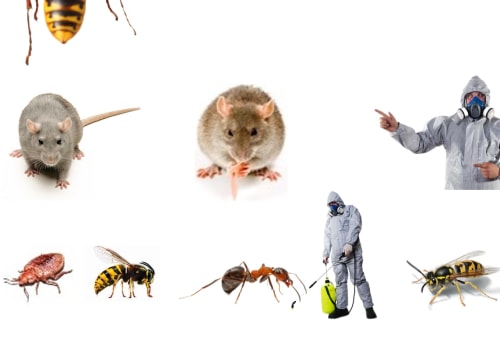
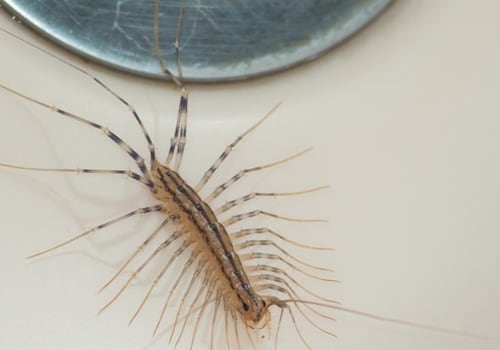
Indoor pest control is not just about treating visible infestations—it also involves identifying and addressing the hidden spaces where pests live and travel. One of the most overlooked areas in any home is the network of wall cavities and wiring spaces that run behind drywall and ceilings. These concealed pathways provide ideal environments for pests such as rodents, ants, and termites, allowing them to move undetected throughout the property. Because these areas are rarely inspected during routine cleaning, infestations can grow significantly before any signs become visible. Understanding how pests utilize these hidden entry points is the first step in developing an effective and long-lasting pest control strategy.
The Role of Wall Cavities in Pest Activity
Wall cavities offer warmth, protection, and easy access to food sources, making them highly attractive to pests. Small openings around electrical outlets, plumbing lines, and vents can serve as entry points, allowing insects and rodents to enter and establish nests within walls. Once inside, pests can chew through insulation, damage wiring, and create unsanitary conditions that affect indoor air quality. Regular inspections of these areas help detect early signs of infestation, such as droppings, scratching noises, or unusual odors. Addressing these issues promptly prevents pests from spreading to other parts of the home and reduces the risk of more extensive damage.
Inspecting Wiring Spaces for Safety and Prevention
Wiring spaces are particularly important to inspect because they serve as both pathways and potential hazards when pests are present. Rodents, for example, are known to gnaw on electrical wires, which can lead to short circuits or even fire risks. This makes it essential to not only remove pests but also assess the condition of the wiring itself. In many cases, working with a licensed electrician is necessary to ensure that any damage is properly repaired and that the electrical system remains safe and functional. Combining pest control efforts with electrical inspections provides a more comprehensive approach to home maintenance, addressing both the cause and the consequences of infestations.
Preventative Measures for Long-Term Protection
Preventing pests from entering wall and wiring spaces requires a combination of sealing, maintenance, and monitoring. Homeowners should ensure that all gaps and cracks around entry points are properly sealed, including those near utility lines and vents. Installing covers on vents and using pest-resistant materials can further reduce the likelihood of intrusion. Regular maintenance, such as checking insulation and keeping storage areas clean, also helps deter pests from settling in hidden spaces. Additionally, scheduling periodic professional inspections ensures that any potential issues are identified early, allowing for timely intervention before infestations become severe.
The Long-Term Benefits of Thorough Inspections
Taking a proactive approach to indoor pest control by inspecting wall and wiring spaces offers significant long-term benefits. It not only prevents structural damage and costly repairs but also contributes to a healthier and safer living environment. By addressing hidden problem areas, homeowners can maintain better air quality, reduce fire risks, and protect their property from ongoing pest activity. Ultimately, integrating thorough inspections into regular home maintenance routines ensures that pest control efforts are more effective and sustainable, providing peace of mind and lasting protection for the entire household.