Maintaining a pest-free home is essential for both comfort and health. Indoor pest control strategies are designed to prevent infestations and protect living spaces from common intruders such as ants, cockroaches, rodents, and termites. These pests can cause structural damage, contaminate food, and even trigger allergies or illnesses. By implementing effective pest control measures, homeowners can create a safer and more hygienic environment. Understanding the behavior and entry points of pests is the first step in developing a comprehensive protection plan.
Identifying Common Entry Points
One of the most effective ways to enhance home protection is by identifying and sealing potential entry points. Pests often enter homes through small cracks in walls, gaps around windows and doors, and openings around plumbing or electrical fixtures. Regular inspections can help detect these vulnerabilities early. Sealing gaps with caulk, installing door sweeps, and repairing damaged screens are simple yet effective measures to prevent pests from gaining access. Taking these proactive steps reduces the likelihood of infestations and minimizes the need for reactive treatments.
Maintaining Clean and Organized Spaces
Cleanliness plays a significant role in indoor pest control. Pests are attracted to food sources, moisture, and clutter, making it important to maintain a tidy living environment. Regularly cleaning kitchen surfaces, properly storing food in sealed containers, and promptly disposing of garbage can deter pests from settling in your home. Additionally, reducing clutter in storage areas eliminates hiding spots for insects and rodents. A well-maintained home not only discourages pests but also makes it easier to detect early signs of infestation.
Using Safe and Effective Pest Control Methods
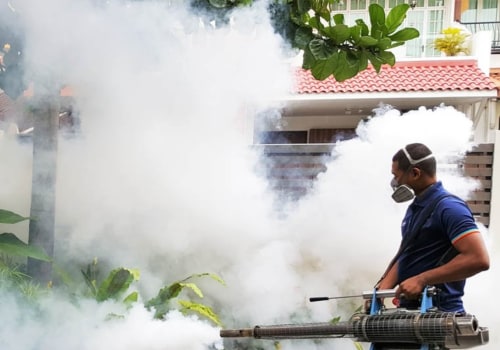
There are various methods available for controlling indoor pests, ranging from natural remedies to professional treatments. Homeowners can use non-toxic solutions such as essential oils, diatomaceous earth, or vinegar-based sprays to address minor issues. For more persistent problems, professional pest control services may be necessary. Companies like Green Titan Pest Management offer specialized solutions tailored to different types of infestations, ensuring effective and long-lasting results. Choosing the right method depends on the severity of the problem and the specific pests involved.
Monitoring and Preventing Future Infestations
Consistent monitoring is key to maintaining a pest-free home. Regularly checking for signs such as droppings, chewed materials, or unusual odors can help detect infestations early. Setting traps or using monitoring devices can also provide insight into pest activity. Preventative measures, such as controlling moisture levels and ensuring proper ventilation, further reduce the risk of recurring issues. By staying vigilant and addressing problems promptly, homeowners can prevent small concerns from becoming major infestations.
Educating Household Members
Effective pest control requires cooperation from everyone in the household. Educating family members about proper food storage, waste disposal, and cleanliness habits can significantly enhance overall protection. Simple practices, such as not leaving food out overnight or cleaning up spills immediately, can make a big difference. When everyone understands their role in maintaining a pest-free environment, the effectiveness of indoor pest control strategies is greatly improved.
Conclusion
Enhancing home protection through indoor pest control strategies involves a combination of prevention, maintenance, and timely intervention. By identifying entry points, maintaining cleanliness, using appropriate control methods, and staying vigilant, homeowners can create a safe and comfortable living space. With consistent effort and informed practices, it is possible to keep pests at bay and ensure long-term protection for your home.